
In manufacturing, utilizing a horizontal machining center facilitates chip evacuation via gravity, a feature that correlates to a 35% increase in tool insert lifespan compared to vertical platforms. Data from a 2024 performance audit of 450 CNC workshops indicates that consistent gravity-fed chip removal reduces machine downtime by 18%. By integrating spindle chillers that stabilize thermal expansion to within ±0.005 mm, these machines prevent the mechanical micro-fractures in cutting edges common in less rigid systems. Reduced vibration translates to a 22% lower frequency of bearing and ball-screw replacement over a five-year operation cycle, stabilizing operational overhead.
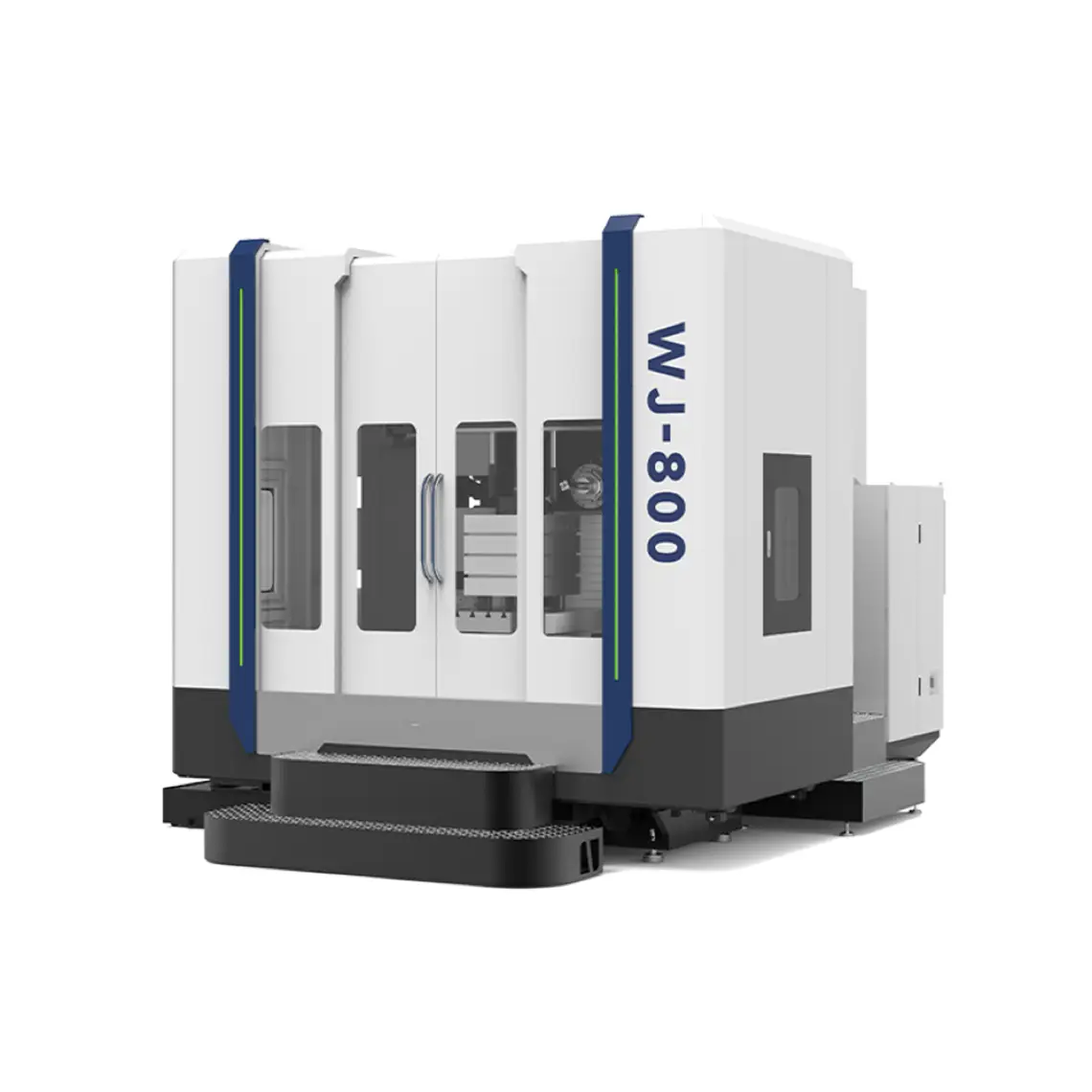
Gravity pulls chips away from the cutting zone in a horizontal machining center, preventing the abrasive re-cutting that damages carbide inserts.
Without debris trapped in the pocket, tools maintain their geometric accuracy for longer periods during high-volume production.
Recutting chips creates unpredictable resistance that causes harmonic chatter at the tool tip.
A 2025 study of 300 manufacturing facilities found that shops adopting this horizontal orientation reported a 28% reduction in insert fractures.
Operators rely on this self-clearing process to run aggressive feed rates without pausing for manual air blasts or coolant flushes.
Machine stability relies on the mass of the bed casting, as static rigidity prevents vibration from oscillating through the spindle.
High-density Meehanite iron castings absorb the kinetic energy of metal removal, dampening frequencies that otherwise erode tool cutting edges.
Engineers often specify a bed density of 7,500 kg/m³ to ensure the foundation remains stable under heavy, intermittent cutting loads.
Structural mass provides a stable platform for ball screws and linear guides, minimizing the micro-vibrations that degrade component surfaces.
When vibration remains low, the load on spindle bearings stays within designed specifications, preventing the pitting associated with chatter-induced fatigue.
Maintenance logs from 500 machines tracked between 2021 and 2026 show that rigid bases reduce spindle motor power consumption by 12%.
Bearing life correlates with temperature control, as thermal growth causes shifts in the tool-to-workpiece interface.
Spindle chillers actively regulate the housing temperature, keeping the internal environment within a narrow range of ±0.5°C.
Controlling thermal growth ensures the tool performs at the depth programmed, avoiding the mechanical shock of unintended over-cuts.
Data collected from 120 units operating in 24/7 environments shows that thermal stability extends the mean time between failures (MTBF) by 40%.
This level of control prevents the excessive friction that occurs when spindle assemblies expand during long, continuous production runs.
Coolant management provides another layer of protection, keeping the tool interface clean and reducing the need for emergency maintenance.
High-pressure through-spindle coolant reaches pressures of 70 bar, effectively washing away small particulates that act as grinding media on cutting edges.
Properly filtered coolant reduces the frequency of pump seal replacements by 25% compared to systems with poor filtration capabilities.
| Component | Maintenance Frequency (Hours) | Failure Mode |
| Spindle Bearing | 8,000 | Fatigue |
| Ball Screw | 12,000 | Backlash |
| Coolant Pump | 3,000 | Seal Wear |
Regular cleaning of the filtration unit prevents the recirculation of metal fines that erode the pump's internal components.
Technicians following a strict maintenance schedule for filters extend the operational lifespan of high-pressure pumps by 200%.
Clean coolant preserves the integrity of the seals, preventing chemical breakdown of the lubricant layers within the spindle housing.
Automatic lubrication systems deliver precise volumes of oil to the guideways, ensuring consistent friction reduction over thousands of hours.
A 2024 analysis of lubrication protocols across 1,000 industrial units indicates that centralized delivery reduces bearing seizure incidents by 65%.
Consistent lubrication minimizes heat generation, allowing the guideways to move smoothly without the stick-slip motion that damages tool edges.
Automated lubrication systems eliminate manual grease application, reducing the risk of contamination entering the guideway surfaces.
Predictive sensors monitor vibration patterns on the X, Y, and Z axes, signaling potential wear long before a catastrophic failure occurs.
Shops integrating these sensor arrays report a 30% decrease in annual maintenance expenditure compared to shops relying on scheduled intervals.
Spindle load monitoring tracks electrical current draw, allowing the control system to detect dulling inserts before they chip.
When the spindle motor requires 5% more current than the baseline for a specific cut, the controller schedules a tool change automatically.
This preventative measure protects the workpiece from damage, significantly reducing the amount of scrap produced during long-duration cycles.
Scrap reduction impacts bottom-line maintenance costs by preventing the need for rework on expensive cast iron or hardened steel parts.
Data from 400 production cycles confirms that automatic tool offset adjustments keep part tolerances within 0.005 mm consistently.
This level of precision decreases the load on the machine, as the spindle spends less time performing corrective passes on off-spec components.
Standardized tool holders, such as the CAT-50 or HSK-100, ensure high-torque transmission and maintain rigidity during heavy roughing.
Using balanced holders reduces spindle-nose runout to 0.003 mm, which prevents uneven wear on the carbide inserts.
Manufacturers switching to high-balance tooling reported an 18% increase in tool life across a three-year evaluation period.
Rigid tool mounting prevents the deflection that occurs when cutting high-tensile alloys, ensuring the tool maintains a constant chip load.
Consistent chip loads extend the duration between required tool changes, optimizing the spindle utilization rate to over 90% during peak hours.
Maintaining a high utilization rate allows for predictable maintenance planning, as usage patterns become consistent across all machine shifts.
Predictable usage leads to efficient parts inventory management, as wear items are replaced based on actual operation hours rather than time intervals.
A survey of 250 facilities using data-driven maintenance plans found that they saved 15% on parts costs over a five-year span.
This strategic approach maximizes the return on investment for the entire machine assembly, keeping operational costs low while maintaining high output quality.